

 Apply on the affected area
 Gently massage till absorbed
 For best results, follow it up with broad-spectrum sunscreen


 Apply on the lips and spread evenly.
 Rub your lips together for smooth absorption.
 Use every day for brighter, soft & plump lips.


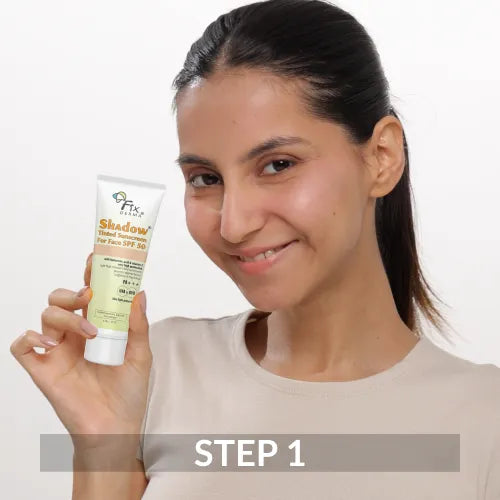
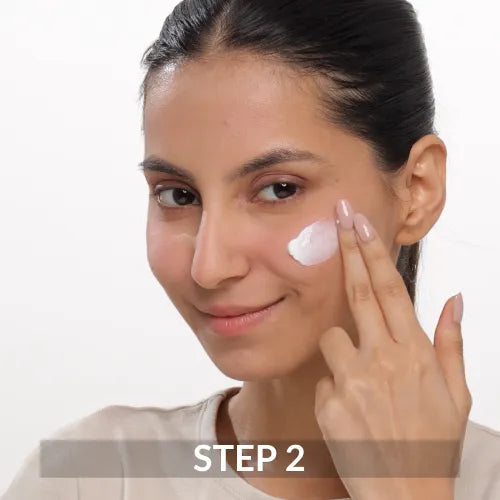


Debunking Skincare Myths: Sunscreen Edition

Introduction
We have always been told how sunscreen should never be skipped because skipping it can lead to skin issues like tanning, pigmentation, aging and dark spots. But even though there's so much information available online about sunscreen, some people are still confused about its proper use & the benefits it provides. Despite decades of research proving its benefits, sunscreen remains one of the most misunderstood skincare products. There are a lot of myths that people still believe in related to sunscreen. And these myths are stopping people from including sunscreen in their daily skincare routine. This practice can result in UV rays penetrating your skin & causing damage. Therefore, to make sunscreen a not so complicated topic, we'll be debunking the most common sunscreen myths. Whether you're a skincare beginner or someone looking to improve your routine, understanding the science behind sunscreen can help you make informed decisions for healthier skin.
Why Sunscreen Matters
It's very important to understand why sunscreen is used & what are the different benefits we get from using it. Ultraviolet (UV) rays are an invisible form of energy found in the electromagnetic spectrum, with wavelengths shorter than visible light but longer than X-rays. These rays are very harmful for our skin & can result in pigmentation, tanning, dark spots.
These rays are further divided into two:
- UVA rays: These penetrate deeper into the skin and are primarily responsible for premature aging, wrinkles, collagen breakdown & pigmentation.
- UVB rays: These affect the skin's surface and are the main cause of sunburn. They also contribute to skin cancer.
Therefore, using sunscreen becomes very important for your daily skin protection.

Myths
Now that we have understood the importance of using sunscreen, let's look into some myths around it.
MYTH 1: You Only Need Sunscreen on Sunny Days
FACT: UV rays are still present even if it's not sunny. Clouds do not block UV, and skin damage is still possible. Your skin is still exposed on overcast or rainy days.
Wearing sunscreen on cloudy days is important and should not be skipped.
MYTH 2: It's not important to use sunscreen indoors
FACT: UV rays are not fully blocked indoors. Sunscreen is still required.
Thinking that UV rays are only present outside and not inside is the biggest myth. Sunscreen needs to be used even indoors because even blue light is harmful for the skin, so use sunscreen wisely.
MYTH 3: Oily skin doesn't need sunscreen
FACT: All skin types need sun protection, you just need to pick a lightweight, oil-free one.
Every skin type needs sunscreen. Dry, oily, combination, every skin needs sunscreen, all you need is to choose the right one. For dry skin, you can use a cream-based sunscreen & for oily skin, you can use a gel-based sunscreen. Depending on the skin type, you should choose the right one, but should never skip it.
MYTH 4: One application of sunscreen lasts all day
FACT: Sunscreen needs to be reapplied every 2-3 hours for effective protection.
Just one application of sunscreen is not going to provide you with protection for the whole day. You need to reapply sunscreen for effective results.
MYTH 5: People with Dark Skin Don't Need Sunscreen
FACT: Melanin provides some natural protection against UV radiation but not enough.
While darker skin tones may burn less easily, they can still experience tanning, pigmentation, and premature aging. Therefore, every skin tone requires proper use of sunscreen.

MYTH 6: Makeup with SPF Is Enough
FACT: Many foundations, BB creams & powders contain SPF.
But the problem is that most people apply makeup in much smaller amounts than the quantity required to achieve the labeled SPF protection. So, it's important to use a broad-spectrum sunscreen along with a tinted sunscreen. Always apply sunscreen underneath your makeup.
MYTH 7: Sunscreen Causes Acne
FACT: Sunscreen protects skin from resulting in acne and does not cause it.
Years ago, many sunscreens were heavy and pore-clogging but now sunscreens are specially designed according to your skin type. There are different sunscreens for oily, acne-prone skin. So, you don't have to worry about sunscreen causing acne.
MYTH 8: Natural Oils Can Replace Sunscreen
FACT: You'll often see claims that coconut oil, olive oil provide adequate SPF.
These substances may offer minimal UV protection, but they are not reliable substitutes for tested sunscreen products. Only sunscreen can provide you with the right protection from UV rays, not any random oil.
MYTH 9: Sunscreen Is Only for the Beach
FACT: UV exposure takes place daily & it's not just for using it on the beach.
Sunscreen is important to use daily, so don't skip it and limit it to the beach. Consistent daily protection is more beneficial than only wearing sunscreen during vacations.
MYTH 10: Sunscreen Is Only About Preventing Sunburn
FACT: Along with sunburn, sunscreen helps with a lot of skin concerns. It helps prevent signs of aging, wrinkles, fine lines, dark spots, and pigmentation. So, it's very beneficial & important.

How to Apply Sunscreen Correctly
The best way to apply sunscreen is to follow the two-finger rule. If you are using sunscreen according to that rule, then you are definitely following the right steps of protecting your skin from sun damage.
For the face and neck:
- Apply generously to cover all exposed skin.
- Don't forget commonly missed areas like the ears, hairline, and around the eyes
- Apply as the final step in your morning skincare routine before makeup.
- Apply 20 minutes before sun exposure.
- Reapply every 3-4 hours if outdoors.

Choosing the Right Sunscreen with Fixderma
Using sunscreen is important but randomly choosing any sunscreen that does not provide enough sun protection is of no use. Therefore, it's important to choose a sunscreen that gives you the right care and protection.
Fixderma offers the best sunscreens with the following features:
- Broad-spectrum protection
- SPF 30 or higher for everyday use
- A formula suited to your skin type
- Lightweight
- Zero white cast
- Fast absorbing

- Shadow Sunscreen SPF 50 + Cream: Shadow SPF 50+ Cream is a lightweight cream-based sunscreen that provides excellent UV rays coverage for a longer duration. This water-resistant, PA+++ sunscreen is ideal for all weather and suits all skin types, including dry and sensitive skin.
- Shadow SPF 50+ Gel Sunscreen: Fixderma Shadow SPF 50+ Gel is a gel-based sunscreen specially designed for sensitive, acne-prone skin. The lightweight and non-greasy formulation is packed with potent sun-protecting filters, making it perfect for all-season sun protection. This oil-free formulation provides long-lasting, broad-spectrum UV protection and leaves no white cast.
- Shadow Light Fluid Sunscreen SPF 50+: Fixderma Shadow Light Fluid Sunscreen SPF 50+ is powered by next-generation photostable UV filters that offer long-lasting protection against harmful UV rays without irritation. It is a very lightweight sunscreen with no greasy formula, so that you can effectively prevent sun damage & premature skin ageing.
- Shadow Mineral Sunscreen SPF 50+: Fixderma Lightweight Mineral (physical) Sunscreen is a lightweight, non-greasy mineral sunscreen that provides broad-spectrum protection against UVA and UVB rays. It forms a layer on the skin surface and reflects harmful radiation, making it ideal for sensitive, acne-prone and post-procedure skin.
- Shadow SPF 50+ Tinted Sunscreen: Shadow SPF 50+ Tinted Sunscreen features 1% Hyaluronic Acid, SPF 50+, and PA+++ that provide sheer coverage and protect against harmful UVA & UVB rays. Powered by potent ingredients, it blends easily and conceals blemishes for even-toned skin. This lightweight, foundation-like sunscreen is available in 4 flexible shades - Light, Medium, Tan, and Deep, making it perfect for all skin types and tones for a smooth, matte finish.
- Shadow SPF 50+ Invisible Serum Sunscreen: Shadow SPF 50+ Invisible Serum Sunscreen is a 2-in-1 powerhouse that combines sun protection with skincare benefits. Enriched with Hyaluronic Acid and Vitamin C, it keeps your skin hydrated, bright, and glowing. This lightweight, non-greasy formula shields against UVA and UVB rays while reducing dark spots and evening out skin tone.
Choose the sunscreen wisely according to your skin type and do not skip using it.
Conclusion
Every dermatologist recommends using sunscreen, and therefore you should always include it in your skincare routine. While myths can be persuasive and they often feel real, they are just there to confuse the customer. The reality is that every skin needs sunscreen, and it's very important to protect your skin from damage. Always remember that a wise decision related to your skin today is definitely going to benefit you in the future.
Choose a broad-spectrum sunscreen, apply it generously & use it consistently. Protecting your skin daily by using sunscreen is the best care you can give to your skin.
Frequently Asked Questions
-
Is it necessary to wear sunscreen every day?
Yes. Sunscreen should be worn every day, even when it's cloudy or you're spending most of your time indoors, to protect your skin from harmful UV rays.
-
How often should I reapply sunscreen?
Reapply sunscreen every 2-3 hours when you're outdoors, and after swimming, sweating, or towel drying.
-
What SPF is best for daily use?
An SPF 30 or higher with broad-spectrum protection is recommended for everyday use.
-
Can people with oily skin skip sunscreen?
No. Oily skin also needs sun protection. Choose a lightweight, gel-based, or oil-free sunscreen that suits your skin type.
-
Does sunscreen help prevent tanning?
Yes. Sunscreen helps reduce UV-induced tanning by protecting the skin from harmful UVA and UVB rays.
-
Can sunscreen prevent pigmentation and dark spots?
Yes. Regular use of sunscreen helps prevent pigmentation, dark spots, and uneven skin tone caused by sun exposure.
-
Is sunscreen necessary if I wear makeup with SPF?
Yes. Makeup with SPF alone is not enough. Apply a broad-spectrum sunscreen underneath your makeup for adequate protection.
-
Does sunscreen cause acne?
Not necessarily. Modern sunscreens are available in non-comedogenic, lightweight formulas that are suitable for acne-prone skin.


